For most people, online privacy and security feels daunting and complicated. Cybersecurity is reserved for the tech-savvy and privacy is for the paranoid. Right?
At All Things Secured, our goal is to cut through the fear, jargon, and exaggerated claims so you can make informed decisions about your identity and digital life. We combine real-world experience, hands-on testing, and practical recommendations to help ordinary people improve their privacy and security—without needing to become cybersecurity experts.
Advice From Real People, Not an Anonymous Content Farm
Every article, video, and recommendation from All Things Secured is written and reviewed by a real person (not AI).

Josh Summers originally started All Things Secured over a decade ago to help his parents learn the basic of online security best practices. He believes privacy and security advice should feel personal, useful and understandable, no matter your age . We don’t simply summarize product descriptions or repeat what other websites have already said. We research the issue, test the tools whenever possible, and explain what we would recommend to our own families and friends.
We don’t care to wow you with technical vocabulary. We want you to feel confident about what is—and isn’t—worth doing. We cover numerous topics including:
- Password Managers
- Internet browsers
- Identity theft prevention
- Virtual Private Networks
- Secure Email providers
- Encrypted Data Storage
- 2-Factor Authentication
Experience That Goes Beyond the Screen
Josh has spent years working online, using virtual private networks, and building digital businesses, giving him extensive experience with the technology people use every day.
His understanding of privacy and online security is also deeply personal. While living in China, Josh experienced government surveillance, online censorship, and the consequences of operating in a place where digital activity is closely monitored. His experience—including being detained and interrogated by Chinese authorities—gave him a perspective on privacy that goes far beyond theory.
That experience continues to shape All Things Secured: privacy matters, security matters, and the technology we trust deserves careful scrutiny.
Recommendations Based on Personal Experience
We believe a recommendation should be earned.
Whenever possible, we install the software, use the service, test its features, and evaluate how it performs in everyday situations at home or even while traveling internationally. The same hands-on approach applies to data deletion services, password managers and other online security software. We look beyond a company’s marketing claims to consider questions such as:
- Is it genuinely useful?
- What does their privacy policy say?
- Is it easy enough for most people to use?
- Does it provide meaningful privacy or security benefits?
- Are its limitations clearly explained?
- Is it worth the price?
- Would we personally feel comfortable recommending it?
These comparisons help readers choose the best online security tools by focusing on the details that matter in real use. No product is perfect. When a service has weaknesses or tradeoffs, we aim to explain those clearly so you can decide whether it fits your needs.
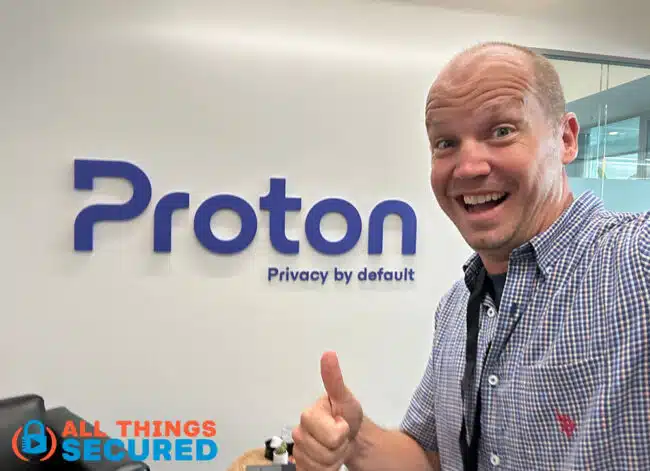
In many cases, we strive to know these companies personally, having visited the offices of NordVPN in Lithuania, Yubico in Sweden and Proton in Switzerland.
Practical Online Security for Everyday People
You shouldn’t need a technical degree—or a bunker full of computers—to protect yourself online.
All Things Secured is designed for people who use email, shop online, manage passwords, connect to public Wi-Fi, store personal files, and want to reduce their exposure to scams, tracking, data breaches, and identity theft.
Our recommendations focus on realistic steps you can actually take and start with right away. That might mean changing one setting, choosing a better password manager, regularly updating your software to protect against vulnerabilities, using a quick check of privacy options, improving iphone security by reviewing device settings, recognizing a misleading security claim, or understanding when a privacy tool is—and isn’t—necessary.
We aren’t here to make you paranoid. We’re here to help you become better prepared.
What about Sponsorships? Honest Disclosures
Some of the companies featured on All Things Secured sponsor our content or provide affiliate commissions when readers make a purchase. These partnerships help support our work, but they do not purchase a positive opinion.
We only accept sponsorships from companies that we have personally used and already recommend.
We maintain editorial control over what we say, disclose paid relationships, and aim to distinguish clearly between sponsored content and independent editorial coverage. We also turn down partnerships with products that we do not believe are a good fit for our audience, which we have done numerous times in the past.
Trust takes years to build and only moments to lose. Protecting that trust is more valuable to us than any individual sponsorship.
A Track Record of Making Security Understandable
Since launching All Things Secured, Josh and the team have helped tens of millions of people better understand online privacy and security through practical videos, tutorials, product reviews, and step-by-step guides.
- Trusted by 435,000 YouTube Subscribers
- Viewed by over 50,000,000 people
- Creating content for 13+ years
- Featured by Techlore, Naomi Brockwell, Firewalls Don’t Stop Dragons and more.
We are proud of the fact that we have built a solid reputation within the cybersecurity community while also making these technical issues accessible to the average internet user.
You Don’t Have to Become a Security Expert
The world of online privacy changes constantly, especially when traveling internationally, and nobody can eliminate every possible risk. But a few well-chosen habits and tools can make a meaningful difference.
All Things Secured exists to help you identify those changes, understand your options, and find the next practical step more easily—with guidance from people who have done the research and used the technology themselves.
You don’t have to be a tech fanatic to take control of your digital life. You just need advice you can understand and trust.